Sticky Web Font for Editorial Design and Branding
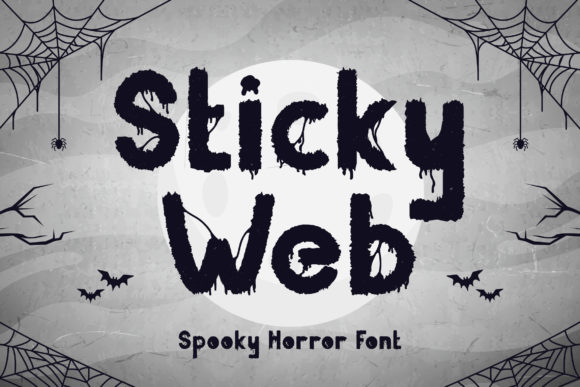
The Sticky Web font brings a unique visual character to editorial design, offering a bold and spooky presence that's ideal for Halloween-themed content or any project seeking a dramatic edge. As a display font, it stands out with its thick-lettered style, making it a powerful tool for grabbing attention in headlines, covers, and branding elements.
With its distinctive personality, Sticky Web can be used creatively across various publishing formats. Its visual appeal makes it especially effective for blog headers, magazine covers, ebook titles, and newsletter graphics. The font’s mood is perfect for creating an eerie or mysterious tone, which can be leveraged in lifestyle blogs, recipe e-books, wedding guides, coaching workbooks, digital magazines, printable planners, and creator newsletters.
Using Sticky Web in Editorial Layouts
Incorporating Sticky Web into your editorial layouts allows you to create strong visual hierarchy and guide the reader’s eye effectively. It works particularly well for section headings, chapter openers, and pull quotes where a striking visual element can enhance the overall reading experience. When paired with a more readable serif or sans-serif font for body text, it ensures both aesthetic appeal and readability.
For instance, using Sticky Web as the main heading for a Halloween-themed article or booklet can immediately set the tone for the content. Its boldness helps separate key sections from the rest of the text, making it easier for readers to navigate through the material.
Practical Applications of Sticky Web
Sticky Web is not just limited to Halloween-related projects; its versatility makes it suitable for a wide range of editorial applications. In a lifestyle blog, it could serve as the title for a special feature on seasonal decorations. In a recipe ebook, it might be used for the cover or to highlight a festive dish. For a wedding guide, it could add a touch of elegance and intrigue to event themes.
When designing a coaching workbook or digital magazine, Sticky Web can be employed in chapter titles or section headers to maintain a consistent visual identity. Its use in printable planners or creator newsletters adds a creative flair that aligns with the brand’s personality and enhances reader engagement.
Readability Considerations
While Sticky Web is a display font, it's important to consider its readability in different formats. On screens, it performs well at larger sizes but may not be suitable for extended reading. In PDF exports or print materials, ensuring proper spacing and sizing is crucial to maintain legibility. For mobile layouts, using Sticky Web in moderation ensures it doesn’t compromise the user experience.
Font pairing plays a significant role in maintaining balance in editorial design. Pairing Sticky Web with a clean sans-serif font like Helvetica or Arial for captions and navigation helps keep the layout visually cohesive. Similarly, combining it with a serif font such as Times New Roman for body copy provides contrast without overwhelming the reader.
Branding and Publication Identity
Sticky Web contributes significantly to brand identity by reinforcing the visual tone of a publication. Whether it's a digital magazine, an ebook, or a newsletter, using this font consistently across headers, logos, and promotional materials helps build a recognizable brand image. It also supports a sense of occasion or thematic consistency, making it ideal for special editions or themed content.
For creators looking to develop a unique brand voice, Sticky Web can serve as a signature element that distinguishes their work from others. Its use in logo design, packaging design, or web design further extends its impact beyond traditional editorial formats.
Commercial Licensing and Usage
Before incorporating Sticky Web into commercial projects such as ebooks, templates, printables, paid newsletters, client publications, or digital downloads, it's essential to check the licensing terms. Ensuring that the font is appropriately licensed for the intended use protects both the designer and the end user from potential legal issues.
Many premium fonts come with extensive support, including multiple styles, alternates, ligatures, weights, and multilingual support. Checking these features can help determine if Sticky Web meets the specific needs of a project, especially when working with diverse audiences or international content.
As a content creator or editorial designer, choosing the right font is a critical decision that affects both the aesthetics and functionality of a publication. Sticky Web offers a compelling option for those seeking a bold and distinctive typeface that enhances visual storytelling and reader engagement across various platforms and formats.